
Executive Summary
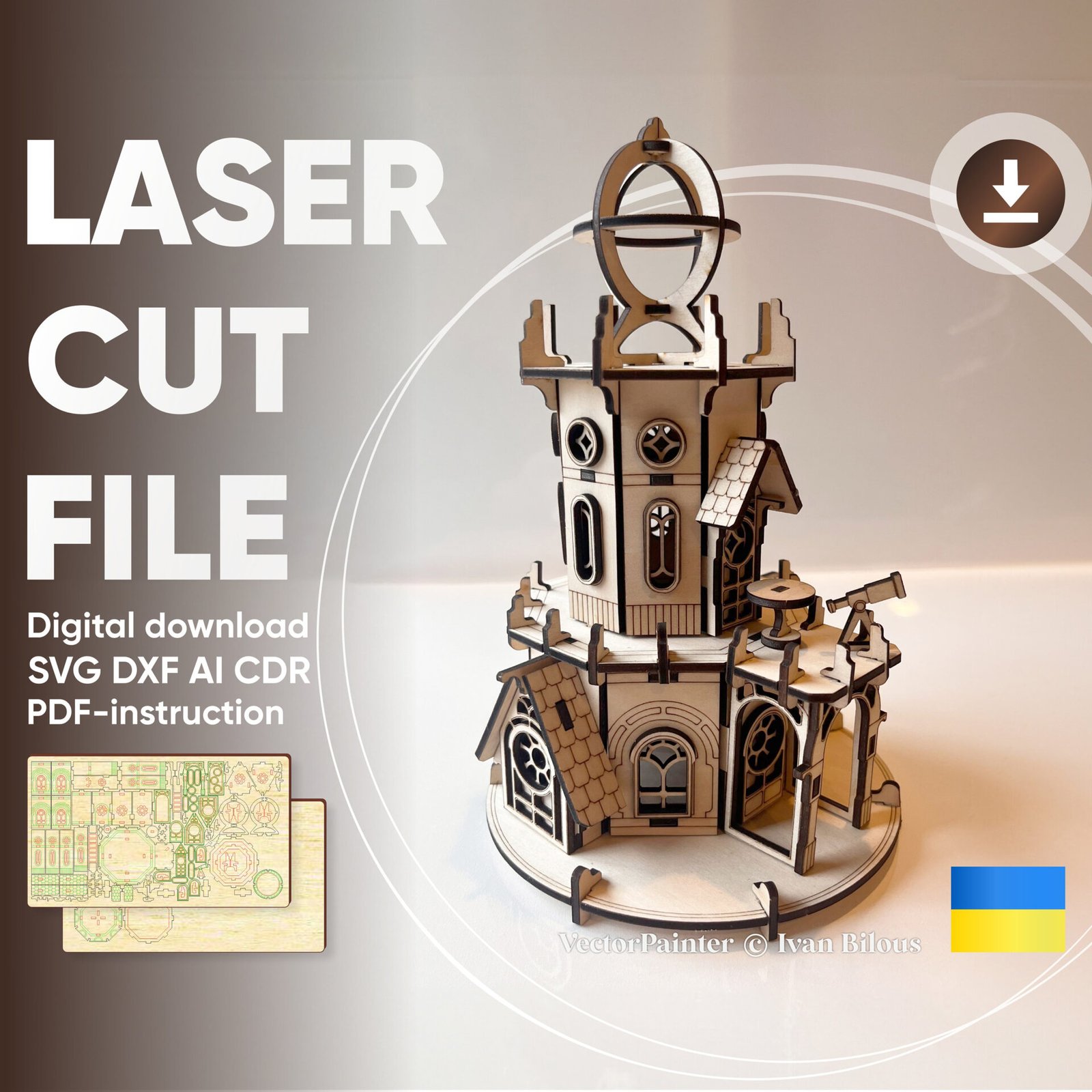
Pahadi Precision is a small-scale laser cut board miniature artifacts production unit based in Almora, Uttarakhand, specializing in intricately designed miniatures of Himalayan cultural artifacts, tourist landmarks, and religious icons crafted from wood, acrylic, and MDF. With an initial investment of ₹5,20,000, the unit will leverage laser cutting technology to produce high-quality, eco-friendly miniatures for tourism, gifting, and collectible markets. Targeting local retailers, e-commerce platforms, and export markets, the business aims to achieve a monthly breakeven sales target of ₹2,00,000 and an annual sales target of ₹36,00,000, with a projected profit margin of 25-30% in the first year. Operating from a 1,000 sq. ft. rented facility with cost-efficient laser cutting machinery, Pahadi Precision will capitalize on Uttarakhand’s cultural heritage and growing demand for unique, sustainable products.
1. Business Overview
1.1 Industry Background
The Indian laser cutting market is projected to grow from USD 6.85 billion in 2025 to USD 14.14 billion by 2032, with a CAGR of 10.9%, driven by demand for precision-crafted products in tourism, handicrafts, and gifting sectors. Uttarakhand’s tourism industry, attracting over 40 million visitors annually, supports a strong market for culturally significant souvenirs. Government initiatives like PMFME and Invest Uttarakhand provide subsidies and support for small-scale manufacturing, making Almora an ideal location for a laser cut miniature production unit.
1.2 Business Concept
Pahadi Precision will use laser cutting technology to produce miniature artifacts from eco-friendly materials like wood, MDF, and acrylic, featuring designs inspired by Uttarakhand’s culture, such as temples, traditional homes, and Himalayan landmarks. The unit will operate in Almora to access skilled artisans and tourism markets, with products marketed as sustainable, high-quality collectibles for tourists, gift shops, and international buyers.
1.3 Brand Name and Product Ideas
- Brand Name: Pahadi Precision – Reflects Uttarakhand’s cultural heritage, precision craftsmanship, and Himalayan identity, appealing to tourists and collectors.
- Product Ideas:
- Miniature Temples: Laser-cut replicas of Badrinath and Kedarnath temples (5-10 cm).
- Pahadi Village Scenes: Miniature traditional Uttarakhandi houses and villages on MDF.
- Himalayan Landmarks: Laser-cut models of Nainital Lake or Valley of Flowers.
- Religious Icons: Engraved deity figures (e.g., Nanda Devi, Ganesha) for puja and gifting.
- Cultural Keychains: Small laser-cut motifs for tourist souvenirs.
2. Market Analysis
2.1 Target Market
- Tourists: Domestic and international visitors to Uttarakhand seeking unique souvenirs.
- Local Retailers: Gift shops and handicraft stores in Almora, Nainital, and Dehradun.
- E-commerce Platforms: Amazon, Etsy, and Flipkart for online sales.
- Export Markets: USA, Europe, and Middle East, where demand for Indian cultural artifacts is growing.
- Corporate Gifting: Customized miniatures for festivals and events.
2.2 Competitor Analysis
- Major Players: Local handicraft producers and larger laser cutting firms like SILasers and Prakash Industries.
- Competitive Advantage: Pahadi Precision will differentiate through niche, culturally significant designs, eco-friendly materials, and competitive pricing.
2.3 Market Trends
- Growing demand for customized, eco-friendly handicrafts using laser cutting technology.
- Tourism-driven handicraft sales in Uttarakhand, with 12-15% annual growth.
- Increasing e-commerce penetration, with 30% of handicraft sales shifting online.
- Government support for MSMEs and sustainable manufacturing through subsidies.
3. Operational Plan
3.1 Location
- Space: 1,000 sq. ft. rented facility in an industrial area of Almora, Uttarakhand, for access to artisans and tourism markets.
- Rental Cost: ₹20,000/month (₹2,40,000 annually).
3.2 Machinery and Equipment
Based on 2025 market pricing, the unit will use cost-efficient CO2 laser cutting machines suitable for non-metal materials like wood, MDF, and acrylic.
- CO2 Laser Cutting Machine (80W, 1300x900mm): ₹3,50,000 (e.g., SILasers or Prakash model).
- Engraving Tools (Rotary Attachment): ₹40,000.
- Dust Collector and Ventilation System: ₹30,000.
- Post-Processing Tools (Sanding, Painting): ₹25,000.
- Manual Packaging Machine: ₹20,000.
- Total Machinery Cost: ₹4,65,000.
3.3 Raw Materials and Supplier Strategy
- MDF Sheets (4mm, 8×4 ft): ₹1,200/sheet (sourced from local suppliers in Delhi or Dehradun).
- Plywood (3-5mm): ₹800/sheet (from Uttarakhand timber markets).
- Acrylic Sheets (3mm): ₹2,000/sheet (from Mumbai-based suppliers).
- Eco-Friendly Paints and Finishes: ₹10,000/month.
- Packaging Materials (Biodegradable Boxes): ₹15,000/month.
- Monthly Raw Material Cost: ₹60,000 (for 600 units/month, avg. 100g/unit).
- Supplier Strategy: Partner with 2-3 local and regional suppliers for MDF and plywood, source acrylic from national distributors, and maintain a 1-month inventory to mitigate supply disruptions.
3.4 Manpower
- Skilled Workers: 2 workers for laser cutting and design (₹18,000/month each).
- Unskilled Worker: 1 worker for packaging and finishing (₹12,000/month).
- Supervisor/Designer: 1 person for CAD modeling, quality control, and marketing (₹25,000/month).
- Total Monthly Labor Cost: ₹73,000.
3.5 Production Process
- Design: Create 2D/3D models using software like CorelDRAW or AutoCAD, inspired by Uttarakhand’s culture.
- Laser Cutting: Use CO2 laser machines to cut and engrave designs on MDF, plywood, or acrylic.
- Post-Processing: Sand, paint, and polish cut pieces for aesthetic appeal.
- Assembly: Combine components for complex miniatures (e.g., temple models).
- Packaging: Pack in biodegradable boxes with protective inserts and branding.
- Quality Control: Ensure precision, finish quality, and cultural authenticity.
3.6 Licenses and Permits
- MSME/Udyam Registration: ₹5,000.
- GST Registration: ₹5,000.
- Trade License: ₹10,000.
- Pollution Control Board Clearance: ₹10,000 (for dust and waste management).
- Total License Cost: ₹30,000.
4. Financial Plan
4.1 Initial Investment
| Item | Cost (₹) |
|---|---|
| Machinery and Equipment | 4,65,000 |
| Licenses and Permits | 30,000 |
| Initial Raw Materials (1 month) | 60,000 |
| Rental Deposit (3 months) | 60,000 |
| Miscellaneous (Utilities, Setup) | 25,000 |
| Total Initial Investment | 5,20,000 |
4.2 Monthly Operating Costs
| Item | Cost (₹) |
|---|---|
| Raw Materials | 60,000 |
| Labor | 73,000 |
| Rent | 20,000 |
| Utilities (Electricity, Internet) | 15,000 |
| Marketing and Distribution | 20,000 |
| Miscellaneous | 5,000 |
| Total Monthly Cost | 1,93,000 |
4.3 Revenue Projections
- Production Capacity: 600 units/month (avg. 100g/unit, mix of miniatures and keychains).
- Selling Price (Average): ₹400/unit (temples: ₹600, villages: ₹500, keychains: ₹150).
- Monthly Revenue: 600 units x ₹400 = ₹2,40,000.
- Annual Revenue: ₹2,40,000 x 12 = ₹28,80,000.
- Profit Margin: 25-30% (after operating costs).
- Monthly Profit: ₹2,40,000 – ₹1,93,000 = ₹47,000.
4.4 Breakeven Analysis
- Breakeven Sales Volume: ₹1,93,000 / ₹400 per unit = 483 units/month.
- Breakeven Timeline: Achievable in 2-3 months with optimized production and marketing.
4.5 Annual Sales Target
- Target: ₹36,00,000 (750 units/month x ₹400 x 12 months).
- Strategy to Achieve:
- Scale production to 800 units/month within 6 months.
- Secure contracts with 5 tourism gift shops and 1 export buyer via Etsy/IndiaMART.
- List on Amazon and Etsy for 30% of sales.
5. Marketing Strategy
5.1 Branding and Positioning
- Brand Identity: Position Pahadi Precision as a premium, eco-friendly brand celebrating Uttarakhand’s cultural heritage through precision laser-cut designs.
- Packaging Ideas:
- Use biodegradable cardboard boxes with jute twine for premium appeal.
- Unit sizes: Individual miniatures (5-10 cm), gift sets (3-5 pieces), keychains (50g).
- Label design: Earthy tones with Himalayan motifs, QR code linking to cultural stories, and eco-friendly certification.
- USP: Culturally authentic, laser-cut miniatures using sustainable materials.
5.2 Marketing Channels
- Local Distribution: Partner with 5-7 gift shops in Almora, Nainital, and Rishikesh.
- Online Sales: List on Amazon, Etsy, and a branded website (₹30,000 setup cost).
- Social Media Marketing: Use Instagram and WhatsApp for targeted ads and artisan stories (₹15,000/month budget).
- Community Engagement: Exhibit at tourism fairs, Kumbh Mela, and craft melas in Uttarakhand.
- Export Opportunities: Register on IndiaMART and Etsy for international markets like USA and Europe.
5.3 Sales Strategy
- Offer 10-15% discounts to tourism outlets for bulk orders.
- Introduce gift sets for festivals (Diwali, Christmas) and corporate gifting.
- Collaborate with travel agencies and homestays for souvenir partnerships.
6. Sustainability and Scale-Up Potential
- Sustainability:
- Use eco-friendly MDF and biodegradable packaging to reduce environmental impact.
- Adopt energy-efficient laser cutting machines to lower electricity costs.
- Partner with local artisans for design inputs, supporting community livelihoods.
- Scale-Up Potential:
- Year 1: Achieve breakeven and establish a local market presence.
- Year 2: Increase production to 1,200 units/month, expand to Delhi-NCR, and secure 1-2 export contracts.
- Year 3: Invest in an additional laser cutting machine (₹3,50,000) to reach 2,000 units/month and target ₹60,00,000 in annual sales.
6.1 Government Scheme Convergence
- PMFME Scheme: Avail up to ₹10 lakh subsidy for micro manufacturing units, covering 35% of project costs.
- Invest Uttarakhand: Access incentives for MSMEs, including tax exemptions and capital subsidies.
- MUDRA Loan: Secure low-interest loans for equipment and working capital.
- Application Process: Register on MoFPI and Invest Uttarakhand portals and submit a Detailed Project Report (DPR).
7. Risk Analysis
- Market Risk: Competition from traditional handicrafts and mass-produced souvenirs. Mitigation: Focus on niche laser-cut designs and eco-friendly materials.
- Operational Risk: Supply chain disruptions for MDF/acrylic. Mitigation: Maintain a 1-month inventory and source from multiple suppliers.
- Financial Risk: Initial investment recovery delays. Mitigation: Start with 600 units/month and scale gradually.
8. Conclusion
Pahadi Precision is a viable small-scale laser cut board miniature artifacts production unit with an initial investment of ₹5,20,000, capitalizing on Uttarakhand’s cultural heritage and the growing laser cutting market. By leveraging government schemes, e-commerce, and export opportunities, the unit can achieve breakeven within 2-3 months and generate ₹36,00,000 in annual sales by year 1. With a focus on sustainability, cultural authenticity, and strategic marketing, Pahadi Precision is poised to become a leading brand in the niche collectibles market, supporting rural entrepreneurship in Uttarakhand.